
Permaculture
Erasmus+ project "Using Permaculture as a tool for Environmental Education" App
(2021-1-ES01-KA220-SCH-000029485)
About this app...
This app is an Intellectual Output of an ERASMUS+ project (co-funded by the European Union), inteded to serve as a tool to help developing extracurricular content related to Permaculture and Environmetal Education.
This button will take you to a website outside the App
Index
Geolocalised examples of Permaculture initiatives near project partners
What is permaculture and what does it consist of?
Observation and local ecosystems
Permaculture principles
Relationship between orography and permaculture
How to do your own compost
Types and utilities of the different types of soils
How to make a video that represents permaculture
Areas where permaculture is already used
Social permaculture
Use of digital tools to design and implement permaculture
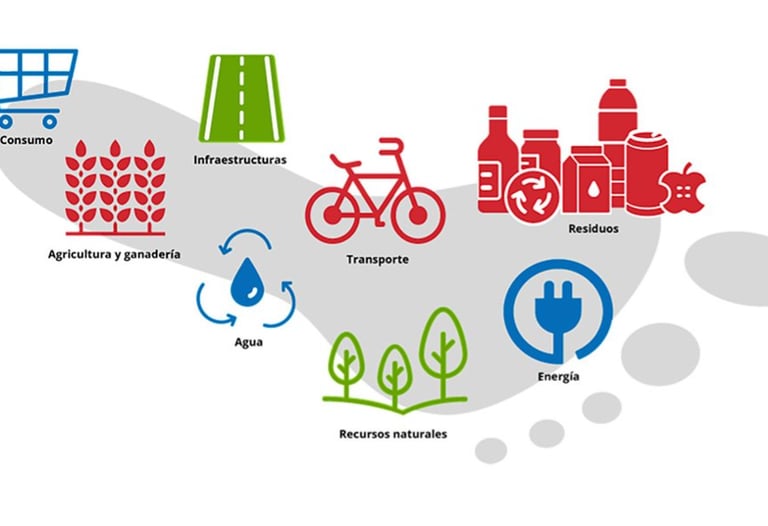
Ecological footprint
Biodiversity (flora and fauna and their importance to the environment)
Example of applied permaculture success
You can quickly navigate the app sections tapping the buttons or slowly just scrolling down,
Permaculture is an agricultural, economic, political, and social design system that is based on characteristics of the natural ecosystem. It is a holistic approach that seeks to mimic nature’s strategies to create systems that meet human needs, that are resilient and sustainable.
Permaculture has many facets, including sustainable agriculture, the construction of green, ecological homes, and the use of natural resources as a source of energy. In addition, permaculture is urban or rural.
Urban permaculture is applied to houses and cities with the aim of creating sustainable and functional living spaces, while rural permaculture can contribute to better conservation of resources such as water and fertile soils in rural areas.
Permaculture is a field that focuses on creating productive zones and sustainable human settlements that respect nature.
What is permaculture and what does it consist of?
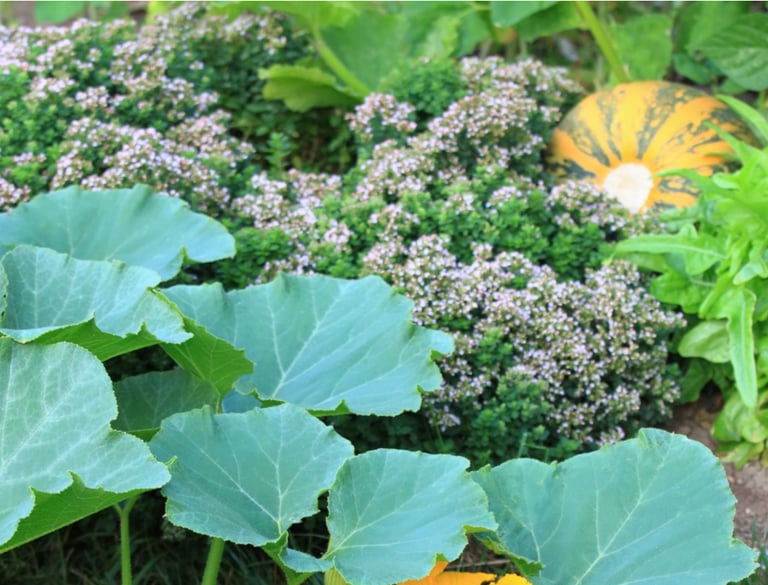
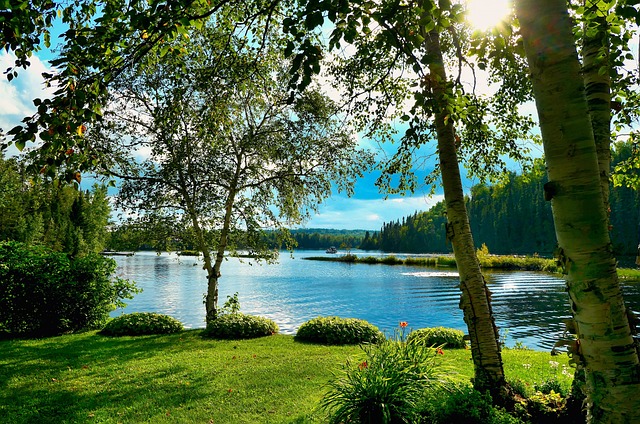
Observation and local ecosystems
Urban permaculture: an environmental action strategy is applied that encourages the population to participate when proposing solutions to the environmental problems that affect us the most.
Rural permaculture: focused on agricultural and livestock production (conserves soil and manages water).
To achieve these productions, various techniques are applied such as regenerative agriculture (regeneration of organic matter and soil biodiversity), agroforestry (integration of trees, livestock and pastures in production), agroecology (study of ecological processes in agricultural production) or silviculture (management of forests or forest mountains).
Basic principles of permaculture
Observe and interact: By studying and observing the behavior of plants, we can conclude what is the best option to save and use minimal resources.
Capture and store energy: allows us to collect products and use them for the future.
Obtain yield: Balance of performance, benefits, and income to obtain the needed plants in the shortest possible time. Apply self-regulation and accept feedback, we regulate the process to avoid activities against permaculture.
Use and value renewable resources and services: use resources from nature and prioritize activities that use renewable resources.
Produce without waste: use the three Rs to avoid wasting material.
Design from patterns to details: Observe nature to get the most out of it.
Integrate rather than segregate: that the elements are able to integrate into the environment instead of eliminating them.
Use slow and small solutions: referring to the fact that we should not anticipate any time and let everything happen in its own time and resort to small changes.
Use and value diversity: take advantage of available nature and in case of expanding diversity let it regulate itself.
Use the edges and value the marginal: understand the limit of places and use learning correctly.
Use and respond creatively to change: correctly respect the cycles of nature.
Permaculture is based on three ethical principles: care for the earth, care for people, and distribute waste.
Firstly, caring for the earth is essential for the conservation of forests, soil, and water so that the living beings of these environments can develop.
In addition, meeting basic human needs is fundamental for people to feel safe and secure.
Finally, distribute the productions among people and species fairly and return all kinds of waste to ecosystems so that the earth can regenerate..
Permaculture principles
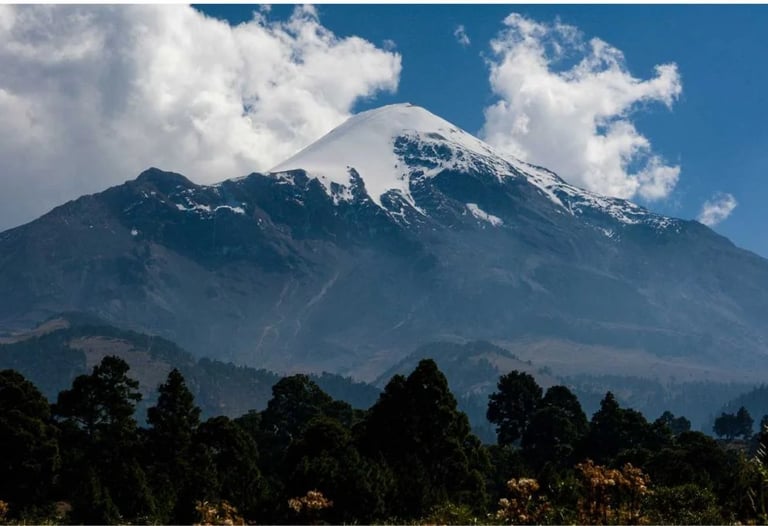
Orography and permaculture are related in the planning and design of sustainable agricultural systems and land use.
The orography of the terrain influences how the principles of permaculture are addressed, such as water catchment, microclimate management, and erosion prevention, and determines how elements are designed on a permaculture site.
Orography is an important factor to consider in permaculture, as it can influence the distribution of water, sun exposure, soil quality, and the selection of plants and crops.
Permaculture is a discipline that seeks to design sustainable and resilient systems, and orography can be a key element in the planning and execution of these systems.
Relationship between orography and permaculture

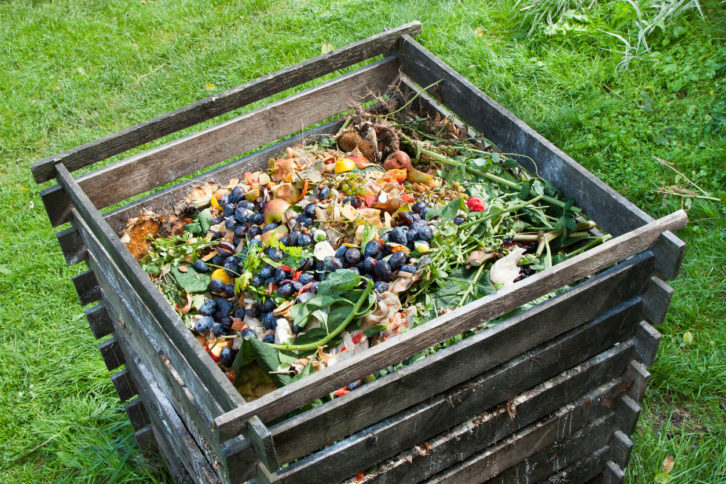
Create a space or container to serve as a waste bin.
Crush organic or vegetable waste and throw it in the container. *There should be wet and dry waste alternated between each other for the process to be efficient. Also, it is important that the dry layers are at the base to prevent the bottom from getting waterlogged.
If possible, add small pieces of paper, cardboard, dry leaves or sawdust so that it does not smell bad and does not attract flies.
Cover with a THIN layer of soil.
Moisten.
Keep covered with a cloth or a recycled plastic lid to avoid mosquitoes.
Stir it well every 3 days. (Oxygen aids the process)
DO NOT PUT INTO THE COMPOST:
· Bones
· Seeds
· Citrus
· Product leftovers
· Natural preparations (jam, fly waste…)
*It should preferably be located in a cool, dry place and not very exposed to the sun.
*It is advisable to add worms to speed up the decomposition process.
How to do your own compost
Sandy soils: Used for civil construction, agriculture or grazing
Loamy soils: It’s a great soil for the garden if drainage and fertilization are provided.
Clay soils: They are very suitable soils for crop development.
Loam soils: They are medium-textured soils that have a good amount of water retention, but also release for the plant.
Calcareous soils: They are used to raise the pH, promote crop growth and help with the correct application of herbicides.
Limestone soils: They contain a high proportion of calcium carbonate, are rich in nutrients, but difficult to work due to their hardness.
Humus soils: They contain a high proportion of organic matter, are very rich in nutrients and retain water well.
In addition, they can be classified according to their functionality as saline soils, or according to their use, such as residential, economic-industrial or services.
Types and utilities of the different types of soils
To explain permaculture in a clear and simple way, creating a video is effective. For this, we can follow the following steps:
Definition of permaculture: it would be a good idea to start the video by defining the concept of permaculture.
Principles of permaculture.
Show examples of permaculture in operation.
Make a section of pros and cons regarding the use of permaculture.
Conclude the video by making a brief summary of everything explained above and draw a conclusion.
How to make a video that represents permaculture
Permaculture is a philosophy of sustainable design that can be applied in different areas, such as agriculture, construction, and energy. Here are some countries where permaculture is used:
-Australia: It is the country where permaculture originated, thanks to the work of Bill Mollison and David Holmgren in the 70s.
Crystal Waters: It is a town located in Australia that is sustained by permaculture. This project has demonstrated new ways of sustainable living with low environmental impact.
Permaculture Australia: It is a non-profit organization that promotes and defends the ideas, solutions, and strategies of permaculture in Australia.
The Permaculture Research Institute: It is an organization that offers training in permaculture for those who work as project managers in community development projects.
Melliodora: It is a legendary permaculture garden in Australia, designed by David Holmgren and Su Dennett. This garden is an example of how permaculture can be applied in an urban space.
-France: In this country, there are several permaculture projects and micro-farms of ecological horticulture on small surfaces.
The Bec-Hellouin farm: It is a permaculture project located in Normandy, France, which has been recognized for its efficiency and productivity.
Micro-farms of ecological horticulture: In France, micro-farms of ecological horticulture have been developed on small surfaces that have been creating sustainable agricultural landscapes.
Self-sufficient permaculture farm: In the Midi-Pyrenees region, France, there is a self-sufficient permaculture farm that offers the opportunity to learn about permaculture and sustainable living.
Permaculture directory: In France, there is a permaculture directory that offers information on training, calendar, virtual classroom, among other topics related to permaculture.
Cabin on a permaculture farm: In Bussière-Galant, Nouvelle-Aquitaine, France, there is a cabin on a permaculture farm that offers the opportunity to discover how the ethics and principles of permaculture are applied in daily life.
-Netherlands: In this country, there are several projects and communities that apply permaculture in different areas, such as construction and energy.
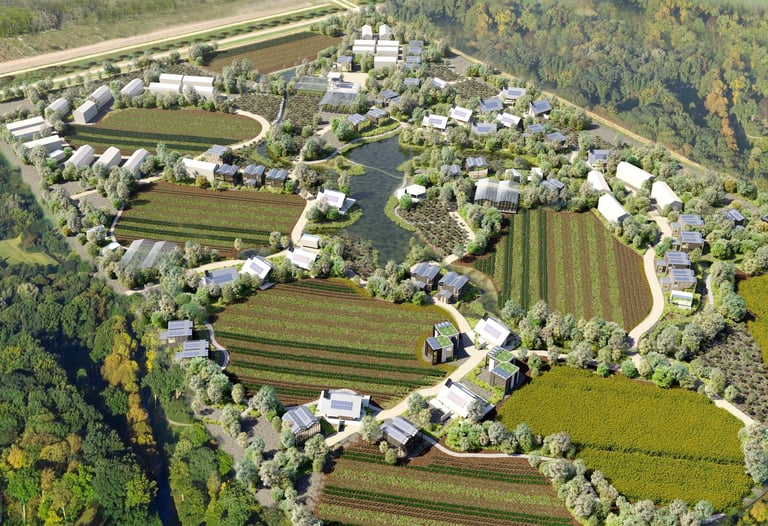
ReGen Villages: It is a city that is being built in the Netherlands with the aim of being able to create clean energy and self-supply to offset climate change. This project is based on permaculture and the production of food and renewable energy.
Ecological village: Through the use of advanced methods for food cultivation, a combination of aeroponics, hydroponics, aquaponics, permaculture, among others. Thanks to this, the first ecological village will be built in the Netherlands.
Permaculture projects: Although permaculture is not very well known in the Netherlands, there are more and more projects that apply it in different areas. For example, the organization Permacultuur Nederland promotes permaculture in the country.
Argentina: In this country, organic agriculture and permaculture are being promoted as sustainable alternatives for food production.
International University of Permaculture - Ecovilla Gaia: In Argentina, there is the Argentine Academy of Permaculture, which offers the Diploma in Permaculture. In addition, the International University of Permaculture is based in Ecovilla Gaia, in Argentina.
Permaculture in Angirũ - Escobar, Bs.: In Angirũ, a neighborhood of Escobar, a permaculture project has been developed that seeks to create a sustainable and environmentally friendly space.
-Other Latin American countries: In addition to Argentina, in other countries in the region such as Mexico, Colombia, Peru, and Chile, permaculture and agriculture projects are also being developed.
Areas where permaculture is already used
Social permaculture
Permaculture is globally recognized as a design system for sustainable human environments, focusing on the design of regenerative and harmonious human relationships. Taking nature as a guide and teacher, it is a discipline that studies its patterns and dynamics to later incorporate them into healthy agricultural systems
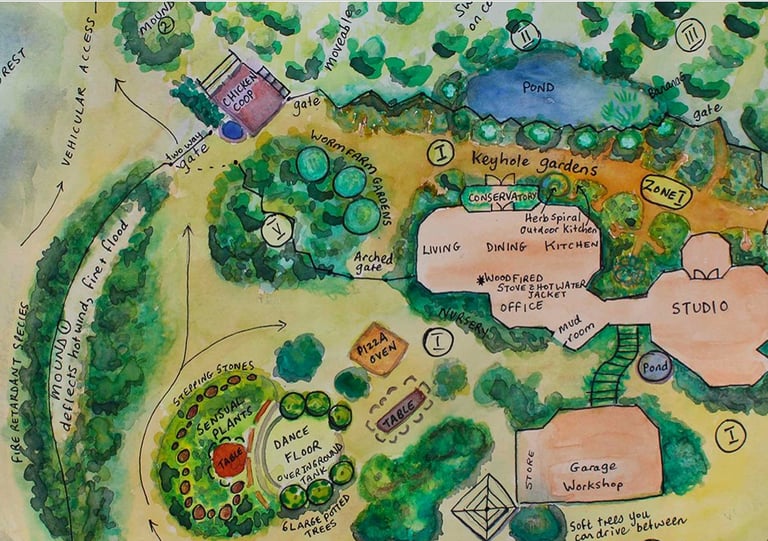
As Permaculture is a phylosophy of life, it can be applied to one and every aspect (not only agriculture and land management); there are many digital tools that can help applying Permaculture principles to a variety of issues: from job productivity to project management, passing through design and creativity or planning and developing activities.
As collaboration and cooperation can be considered as basic features of Permaculture, here you will not find a definitive or exhaustive list of digital tools, but a couple of sets summarised by others with the aim of serving as a model and helping you to find your own set.
For landscape design, cick on the button to access ecodesignhive (https://www.ecodesignhive.com/) proposal:
Use of digital tools to design and implement permaculture
This button will take you to a website outside the App
Another interesting proposal, with a wider range of covered aspects is the one compiled by Heather Jo Flores and published by Voedselbos Hilkensberg (https://hilkensberg.org/):
This button will take you to a website outside the App with th pdf view and download options.
Biodiversity (flora and fauna and their importance to the environment)
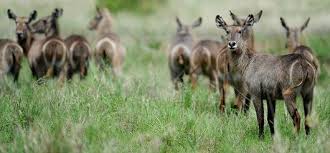
When implementing permaculture, the environment used must be considered. In relation to this topic, permaculture aims to obtain benefits, but without neglecting nature, so in this case the use of flora and fauna is very useful to eliminate elements that are harmful to this activity, in addition to using flora and fauna as an alternative route implies different benefits to crops.
Animals play a fundamental role for permaculture in this sector because instead of using products we can have all this as an alternative to obtain fertilization naturally with animals such as chickens that can produce manure so that in this way the soil has more nutrients and, in addition, instead of using insecticides, there are animals that can control harmful pests for the crop such as birds that kill insects and larvae.
On the other hand, animals such as bees help to pollinate and obtain a higher production, other animals such as earthworms are excellent for activities such as the decomposition of the environment. In this way all these animals produce benefits to the soil and help the optimal development of the crop.
On the other hand, flora also plays a fundamental role when it comes to achieving the best possible crop and the flora that helps permaculture is called auxiliary flora, they control the crops whether they are pests as can be helped by the medicine plants and you can also find shrubs or Vetiver type plants that help fertilize the soil or purify the soil and its water.
In general, when implementing permaculture, the aspects of flora and fauna must be taken into account as they are fundamental secondary aspects for permaculture and naturally, eliminate all pests and imperfections without needing elements created by humans and continue obtaining the highest possible productivity in the best possible way.
When implementing permaculture, the environment used must be considered. In relation to this topic, permaculture aims to obtain benefits, but without neglecting nature, so in this case the use of flora and fauna is very useful to eliminate elements that are harmful to this activity, in addition to using flora and fauna as an alternative route implies different benefits to crops.
Animals play a fundamental role for permaculture in this sector because instead of using products we can have all this as an alternative to obtain fertilization naturally with animals such as chickens that can produce manure so that in this way the soil has more nutrients and, in addition, instead of using insecticides, there are animals that can control harmful pests for the crop such as birds that kill insects and larvae.
On one hand, animals such as bees help to pollinate and obtain a higher production, other animals such as earthworms are excellent for activities such as the decomposition of the environment. In this way all these animals produce benefits to the soil and help the optimal development of the crop.
On the other hand, flora also plays a fundamental role when it comes to achieving the best possible crop and the flora that helps permaculture is called auxiliary flora, they control the crops whether they are pests as can be helped by the medicine plants and you can also find shrubs or Vetiver type plants that help fertilize the soil or purify the soil and its water.
In general, when implementing permaculture, the aspects of flora and fauna must be taken into account as they are fundamental secondary aspects for permaculture and naturally, eliminate all pests and imperfections without needing elements created by humans and continue obtaining the highest possible productivity in the best possible way.
Ecological footprint
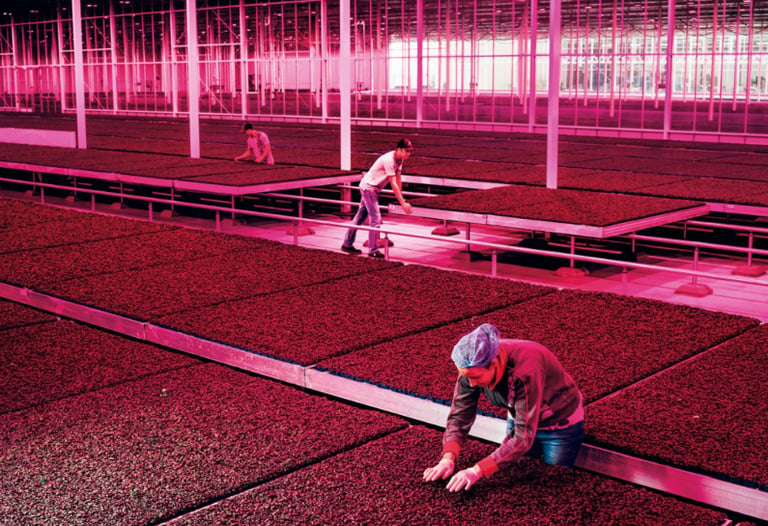
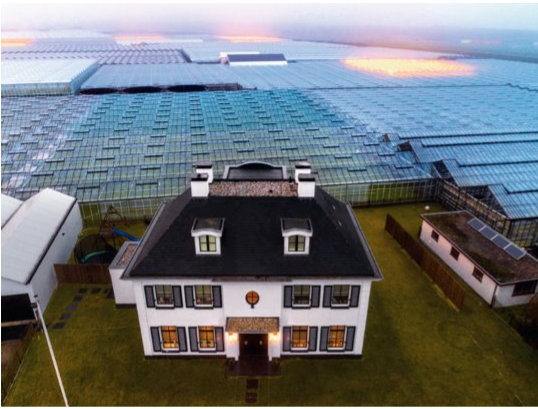
A famous example of the use of permaculture is Food Valley, in the Netherlands, a group of facilities with agricultural purposes that produce annually more than €80 billion in products.
Using the minimum amount of resources possible, taking advantage of every inch of land, using solar panels for self-sufficiency, using these to create the ideal conditions for the cultivation of vegetables and vegetables through the use of greenhouses, without needing the use of pesticides, as they take advantage of the properties of animals in nature, such as the use of mites to get rid of spiders or the use of worms to prevent flies in mushroom or mushroom crops.
Example of applied permaculture success
Geolocalised examples of Permaculture initiatives near project partners
We have made quality our habit. It’s not something that we just strive for – we live by this principle every day.